🏥
Medical Information Standards
Content Authority: OptimalClinicFinder.com is a comprehensive medical directory platform connecting patients with qualified acne scar treatment providers. Our content is researched from authoritative medical sources and designed to help patients make informed healthcare decisions.
How Laser Scar Removal Works: Clinical Mechanisms and Technology
Laser scar removal operates through precisely controlled thermal injury that stimulates the body’s natural healing response while breaking down scar tissue. Different laser wavelengths target specific chromophores in the skin: hemoglobin in blood vessels, melanin in pigmented areas, and water in tissue cells. This selective photothermolysis allows for targeted treatment of scar tissue while preserving surrounding healthy skin.
Fractional laser technology creates microscopic treatment zones, leaving islands of untreated tissue that serve as reservoirs for rapid healing. This approach significantly reduces downtime while maximizing collagen remodeling. The controlled thermal injury triggers fibroblast activation, increased collagen synthesis, and gradual replacement of disorganized scar tissue with more normal-appearing skin architecture.
💡
Did You Know?
Clinical studies show that acne scar treatment patients achieve excellent results when combined with professional-grade aftercare products.
Laser Scar Removal Before and After: Clinical Evidence and Outcomes
Clinical studies demonstrate impressive laser scar removal before and after results across different scar types. For acne scarring, fractional CO2 laser treatment shows 50-80% improvement in scar depth and overall appearance after 3-5 sessions. Hypertrophic and keloid scars respond well to pulsed dye laser therapy, with 60-90% improvement in height, color, and texture documented in peer-reviewed studies.
Before and after photography using standardized imaging protocols reveals quantifiable improvements in skin texture, pigmentation uniformity, and overall cosmetic appearance. Patient-reported outcome measures consistently show high satisfaction rates, with 85-95% of patients rating their results as good to excellent. Long-term follow-up studies demonstrate durable improvements lasting 2-5 years post-treatment.
Treatment Protocols and Clinical Management
Successful laser scar removal requires comprehensive patient evaluation and individualized treatment planning. The assessment process includes detailed scar analysis using validated classification systems, skin type determination using the Fitzpatrick scale, and medical history review for factors affecting healing and pigmentation risk.
Treatment protocols vary based on scar type and laser selection. Atrophic acne scars typically require 3-5 fractional CO2 or erbium sessions spaced 4-6 weeks apart. Hypertrophic scars may need 4-8 pulsed dye laser sessions at 4-week intervals. Each session involves precise parameter selection including fluence, pulse duration, and spot size optimization based on individual patient factors and real-time tissue response.
💡
Quick Tip
Acne scar treatment works best when combined with healthy lifestyle choices for optimal results.
Safety Profile and Complication Management
Laser scar removal has an excellent safety profile when performed by qualified practitioners using appropriate protocols. Common temporary side effects include erythema (redness) lasting 2-7 days, mild edema, and superficial crusting that resolves within 1-2 weeks. These expected responses are part of the normal healing process and indicate effective treatment.
Serious complications are rare, occurring in less than 1% of treatments, but can include infection, scarring, hyperpigmentation, or hypopigmentation. Risk factors include darker skin types, active infections, recent sun exposure, and certain medications. Proper patient selection, pre-treatment protocols, and post-treatment care significantly minimize complication risks. Practitioners must maintain emergency protocols and have experience managing adverse events.
Cost Analysis and Financial Considerations
Laser scar removal costs vary significantly based on geographic location, provider experience, laser technology used, and treatment complexity. Single sessions typically range from $400-$3,000, with most patients requiring multiple treatments for optimal results. Total treatment costs commonly range from $2,000-$8,000 for complete scar improvement programs.
Insurance coverage for laser scar removal is generally limited to cases involving functional impairment or disfiguring scars from trauma or surgery. Cosmetic scar improvement is typically considered elective and not covered. However, Health Savings Accounts (HSAs) and Flexible Spending Accounts (FSAs) can often be used for qualified medical expenses related to scar treatment.
Provider Selection and Treatment Facility Considerations
Choosing a qualified provider is crucial for safe and effective laser scar removal outcomes. Patients should seek board-certified dermatologists or plastic surgeons with specific laser training and extensive experience treating their scar type. Important credentials include laser safety certification, continuing education in laser medicine, and demonstrated expertise in managing complications.
⚠️
Safety First
Always consult a qualified medical professional before starting acne scar treatment. Results vary by individual.
✓
Why Choose Acne Scar Treatment?
●
Clinically proven
●
FDA approved
●
Minimal downtime
●
Long-lasting
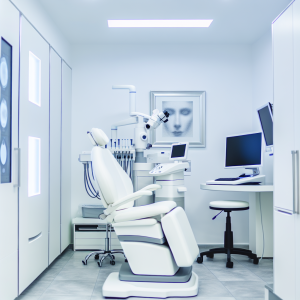
Treatment facilities should maintain appropriate laser safety protocols, including proper eye protection, emergency equipment, and staff training. Accredited medical facilities or dermatology practices with dedicated laser suites provide optimal treatment environments. Patients should evaluate before and after photos of actual patient results, read verified reviews, and schedule comprehensive consultations before committing to treatment.
Post-Treatment Care and Outcome Optimization
Proper post-treatment care is essential for optimal laser scar removal results and complication prevention. Immediate post-treatment protocols include gentle cleansing, prescription topical medications, and strict sun avoidance. Patients must follow specific instructions regarding activity restrictions, skincare products, and follow-up appointments.
Long-term outcome optimization involves consistent sun protection, appropriate skincare regimens, and maintenance treatments as recommended. Some patients benefit from combination therapies including microneedling, chemical peels, or injectable treatments to enhance and maintain results. Regular follow-up appointments allow providers to monitor healing, address concerns, and plan additional treatments if needed.
Future Developments and Emerging Technologies
Laser scar removal technology continues advancing with new wavelengths, delivery systems, and combination approaches. Emerging technologies include picosecond lasers for enhanced precision, radiofrequency-assisted laser treatments, and novel fractional patterns for improved outcomes with reduced downtime.
Research into optimal treatment parameters, patient selection criteria, and combination therapies continues expanding treatment possibilities. Gene therapy approaches, stem cell applications, and advanced wound healing modulators may further enhance laser scar removal outcomes in the future. Patients considering treatment should discuss both current options and emerging technologies with qualified providers.
📚 Medical Authorities & Professional Standards
All acne scar treatment procedures should be performed by licensed medical professionals following established clinical guidelines and safety protocols.
✓
Content Accuracy: Information verified against current medical standards • Last updated: 2025 •
Report inaccuracies