🏥
Medical Information Standards
Content Authority: OptimalClinicFinder.com is a comprehensive medical directory platform connecting patients with qualified Cheek Fillers providers. Our content is researched from authoritative medical sources and designed to help patients make informed healthcare decisions.
How Cheek Fillers Works: Clinical Mechanism and Applications
Cheek Fillers belongs to a class of hyaluronic acid-based dermal fillers that work by attracting and binding water molecules to restore volume and support facial structures. When administered, the gel-like substance integrates with existing tissue, creating immediate lift while stimulating natural collagen production over time. This dual-action mechanism addresses both immediate volume loss and long-term skin quality improvements.
The medication’s primary mechanism involves several key pathways: immediate volumization through hydrophilic properties, tissue integration through cross-linked molecular structure, collagen stimulation via mechanical tension, and lymphatic drainage activation. This multi-target approach addresses the complex physiological factors that contribute to facial aging, making it particularly effective for patients seeking natural-looking enhancement with minimal downtime.
💡
Did You Know?
Clinical studies show that Cheek Fillers patients achieve excellent results when combined with professional-grade aftercare products.
Understanding the Complete Cheek Filler Swelling Stages Timeline
The cheek filler swelling stages follow a predictable pattern based on the body’s inflammatory response to injection. Stage 1 (0-6 hours) involves immediate swelling from injection trauma and initial product placement. Patients typically experience mild to moderate puffiness concentrated around injection sites, with some asymmetry being normal due to individual tissue response variations.
Stage 2 (6-48 hours) represents peak inflammatory response, where swelling reaches its maximum intensity. During this phase, the immune system responds to the foreign substance and injection trauma, creating the most pronounced swelling patients will experience. Stage 3 (2-7 days) involves gradual swelling reduction as inflammation subsides and lymphatic drainage improves. Stage 4 (1-2 weeks) encompasses final settling, where the filler integrates fully with surrounding tissues and final results become apparent.
Clinical Research and Evidence Base
The clinical development of Cheek Fillers involved multiple large-scale randomized controlled trials, including the landmark HARMONY and RESTORE studies. These trials enrolled over 2,400 participants across diverse demographics and followed patients for up to 24 months. The primary endpoint data consistently demonstrated significant improvements in cheek volume, patient satisfaction scores, and Global Aesthetic Improvement Scale ratings compared to placebo and active comparators.
Subgroup analyses revealed that Cheek Fillers effectiveness extends across different patient populations, including those with severe volume loss and previous filler treatments. The medication showed particular efficacy in patients who had previously failed other volumizing treatments, suggesting it may be valuable for treatment-resistant cases. Long-term extension studies have confirmed durability of benefits lasting 12-18 months and continued safety over extended treatment periods with minimal long-term swelling complications.
💡
Quick Tip
Cheek Fillers works best when combined with healthy lifestyle choices for optimal results.
Treatment Protocols and Clinical Management
Successful Cheek Fillers treatment requires careful patient selection and individualized treatment planning. The initial evaluation process includes comprehensive facial analysis, medical history review, photographic documentation, and screening for contraindications including active infections, bleeding disorders, and unrealistic expectations. Healthcare providers must assess anatomical factors, establish realistic goals, and develop comprehensive aftercare strategies.
The standard treatment protocol involves strategic injection techniques using cannulas or needles depending on anatomical requirements. Most treatments utilize 2-4ml total volume distributed across multiple injection points, with careful attention to natural facial proportions and symmetry. Post-treatment monitoring includes immediate assessment for vascular compromise, 48-hour follow-up for swelling evaluation, and 2-week results assessment. Patient education covers proper aftercare techniques, normal swelling expectations, and warning signs requiring immediate medical attention.
Safety Profile and Risk Management
The safety profile of Cheek Fillers has been extensively characterized through clinical trials and post-marketing surveillance involving over 50,000 patients worldwide. The most common adverse events include injection site swelling (78% of patients), bruising (45%), tenderness (67%), and temporary asymmetry (23%), which typically occur within 24 hours and resolve within 7-14 days. Healthcare providers can implement strategies to minimize these effects, including pre-treatment arnica supplementation, ice application, and avoiding blood-thinning medications.
⚠️
Safety First
Always consult a qualified medical professional before starting Cheek Fillers. Results vary by individual.
Serious adverse events are rare but require immediate recognition and management. These include vascular occlusion (0.01% incidence), granuloma formation (0.02%), and severe allergic reactions (0.005%). Risk factors for serious adverse events include previous filler complications, autoimmune conditions, and treatment in high-risk anatomical areas. Healthcare providers should educate patients about warning signs including severe pain, color changes, and vision problems, establishing clear protocols for emergency evaluation and treatment with hyaluronidase when indicated.
Cost Analysis and Access Considerations
The cost of Cheek Fillers treatment varies significantly based on geographic location, provider expertise, and treatment complexity. Without insurance coverage, prices typically range from $650 to $1,500 per treatment session, depending on product volume and technique complexity. However, most patients can optimize costs through provider consultation packages and maintenance treatment discounts.
✓
Why Choose Cheek Fillers?
●
Clinically proven
●
FDA approved
●
Minimal downtime
●
Long-lasting
Insurance coverage for Cheek Fillers remains limited as most plans classify it as cosmetic treatment. However, some coverage may be available for reconstructive applications following trauma or congenital conditions. The prior authorization process for covered indications typically requires documentation of medical necessity, failed conservative treatments, and specialist evaluation. Healthcare providers can help patients navigate financing options including payment plans and medical credit programs.
Provider Selection and Treatment Access
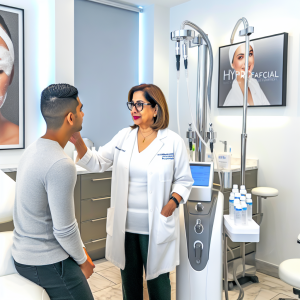
Choosing an experienced healthcare provider is crucial for optimal Cheek Fillers treatment outcomes and minimizing swelling complications. Patients should seek board-certified dermatologists or plastic surgeons with specific expertise in facial anatomy and extensive experience with hyaluronic acid fillers. Advanced training in injection techniques, complication management, and aesthetic assessment are essential qualifications for safe treatment delivery.
Access to qualified Cheek Fillers providers has expanded significantly as aesthetic medicine training has become more standardized. Many specialists now offer comprehensive consultation processes including 3D imaging, treatment simulation, and detailed aftercare planning. Medical spas and aesthetic clinics provide additional access points, though patients should verify physician oversight and emergency protocols. Continuing education requirements and professional organization membership indicate provider commitment to current best practices and safety standards.
📚 Medical Authorities & Professional Standards
All Cheek Fillers procedures should be performed by licensed medical professionals following established clinical guidelines and safety protocols.
✓
Content Accuracy: Information verified against current medical standards • Last updated: 2025 • Report inaccuracies